
Living in Alexandria, AL, means dealing with humidity that can sometimes encourage unwanted guests inside your walls. As a local team, we understand that spotting mold early is critical for protecting your family’s health and home structure. At Alexandria Mold Removal, we focus on educating homeowners about the subtle cues that indicate a moisture issue has turned into a biological one, helping you take the right steps before a small problem becomes a major renovation project.
The Most Common Signs of Mold in a Home
The first indicator you will often notice is a persistent, earthy smell that lingers even after airing out the room. This scent is produced by volatile organic compounds released as mold colonies grow and release spores into the air. In older homes throughout Alexandria, you might also see dark spots on ceilings or corners where walls meet. These visual clues are not merely cosmetic; they signify that moisture is trapped somewhere nearby, feeding the organism. Many residents mistake these marks for dirt or normal wear, but their irregular shape and color variations from green to black suggest active growth. Ignoring these signals allows the colony to spread deeper into drywall and insulation, making it harder to detect and remove later without professional intervention.
Hidden Mold, Where It Likes to Hide
Mold thrives in darkness and moisture, which is why it often hides behind baseboards, under carpets, or inside HVAC ducts where air circulation is poor. In Alexandria, homes with crawl spaces or basements are particularly susceptible because these areas retain humidity longer than elevated living spaces. You might notice warping floors or peeling paint in specific rooms, which are strong indicators of hidden moisture issues feeding mold behind the scenes. Since mold can feed on organic materials like wood and drywall, it can consume structural components before any visible damage appears on the surface. Understanding where these hidden pockets form helps homeowners identify risk areas that require regular ventilation and moisture control to prevent recurring outbreaks during the humid summer months.
How to Do a Basic Visual Inspection
Conducting a thorough home inspection does not require specialized equipment, just a keen eye and good lighting. Start by checking high-humidity areas like bathrooms, kitchens, and laundry rooms, where condensation builds up on windows and walls. Look for water stains on ceilings near plumbing fixtures, as these often indicate slow leaks that create perfect breeding grounds for mold. In many Alexandria residences, the exterior siding near rooflines should also be inspected for discoloration that might signal interior dampness. Pay close attention to the corners of rooms and behind large furniture that sits against exterior walls. If you find any spotting, avoid rubbing it off with a dry cloth, as this releases spores into the air. Instead, note the location and take a photo for documentation before considering removal or professional assessment.
When to Call a Certified Mold Inspector
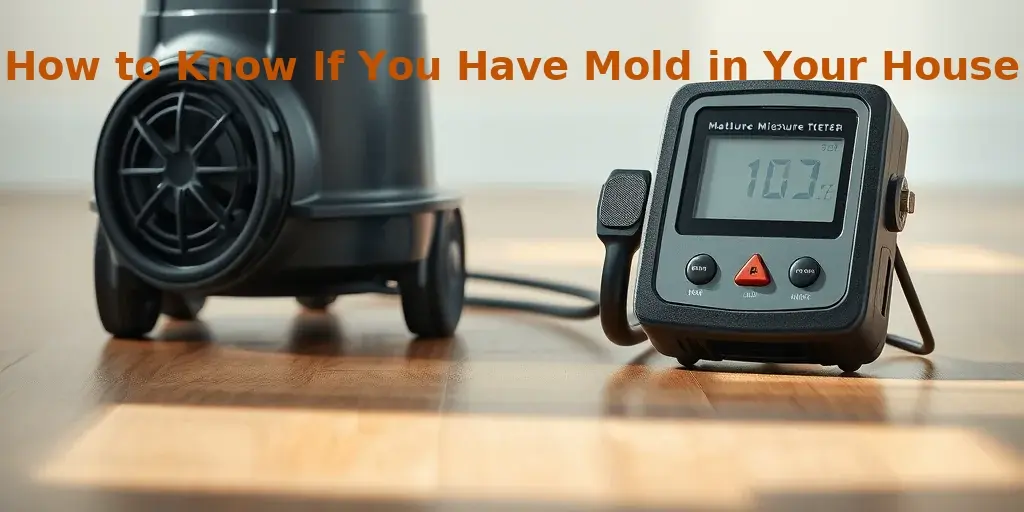
While minor surface spots can sometimes be handled with DIY solutions, extensive growth or recurring issues warrant professional attention. If you have already attempted to clean the area but the mold returns, it suggests an unresolved moisture source that needs technical identification. Certified inspectors use thermal imaging and moisture meters to map out the extent of contamination behind walls and floors. This data is essential for creating an effective remediation plan that addresses the root cause rather than just the symptoms. In complex cases involving HVAC systems or large square footage, professional testing ensures that all affected areas are identified and treated safely. Relying on guesswork can lead to incomplete removal, leaving spores active in your home environment and potentially causing ongoing health risks for sensitive family members.
Professional Testing and Safety Considerations
Determining the exact type and concentration of mold requires laboratory analysis, which is where specialized equipment comes into play. We recommend utilizing mold testing services when you suspect hidden growth or if health symptoms like allergic reactions coincide with time spent in the house. These tests provide concrete data that guides the remediation process, ensuring that the correct treatment methods are applied. Additionally, safety protocols during removal are crucial to prevent cross-contamination within your Alexandria home. A professional team will use containment barriers and HEPA filtration to isolate the work area, protecting the rest of the property from airborne spores. This systematic approach ensures that once the project is complete, your indoor air quality remains healthy and the risk of recurrence is significantly minimized for years to come.